A practical checklist for engineers and OEMs
Selecting a motion-control component involves more than comparing datasheets and prices. A component may offer impressive specifications, but those specifications only matter if they meet the requirements of the application and work within the complete system.
For engineers designing industrial machinery, automated equipment, medical devices, or defense systems, the component selection process can have a significant impact on integration, reliability, development time, and long-term maintenance.
Before approving a motor, encoder, drive, or other motion-control component, there are five essential questions worth asking.
1. Does the component meet the actual application requirements?
The first step is understanding what the application needs to achieve.
Specifications such as speed, torque, accuracy, resolution, and response time provide important information. However, selecting a component based on a single specification can lead to an unsuitable choice.
For example, an encoder with high resolution does not automatically provide the accuracy required by a positioning system. Similarly, a motor that meets a nominal torque requirement may not be suitable for the application’s acceleration profile, duty cycle, or thermal conditions.
Engineers should distinguish between essential performance requirements and specifications that offer little practical benefit to the application.
Questions to consider:
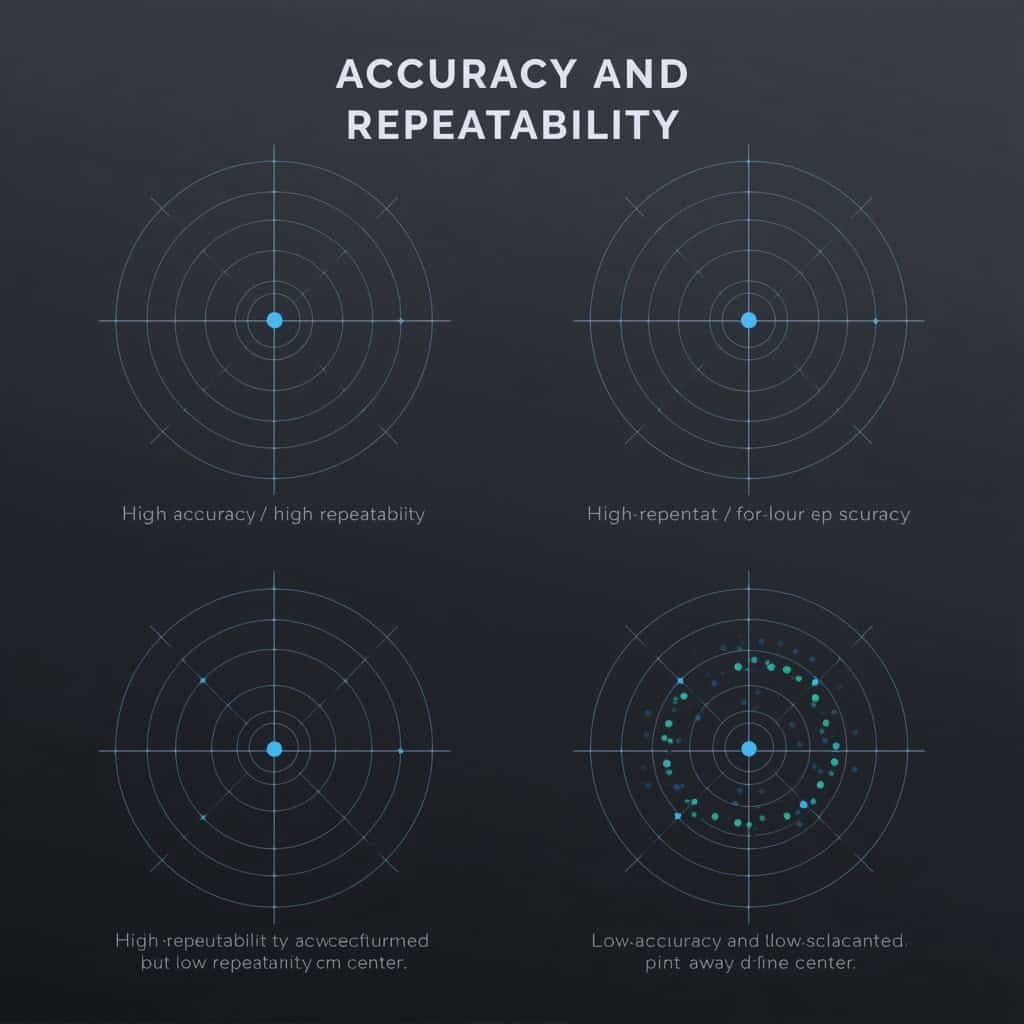
What are the required accuracy, repeatability, speed, and load?
How will the component behave during acceleration and deceleration?
Which specifications are critical to the application’s performance?
Is there sufficient margin for real operating conditions?
Defining these requirements early helps narrow the available options and prevents unnecessary complexity or cost.
2. Is the component mechanically compatible with the system?
A component can meet every performance requirement and still create integration challenges if it does not fit the mechanical design.
Dimensions, mounting arrangements, shaft interfaces, alignment, tolerances, and available installation space all influence compatibility.
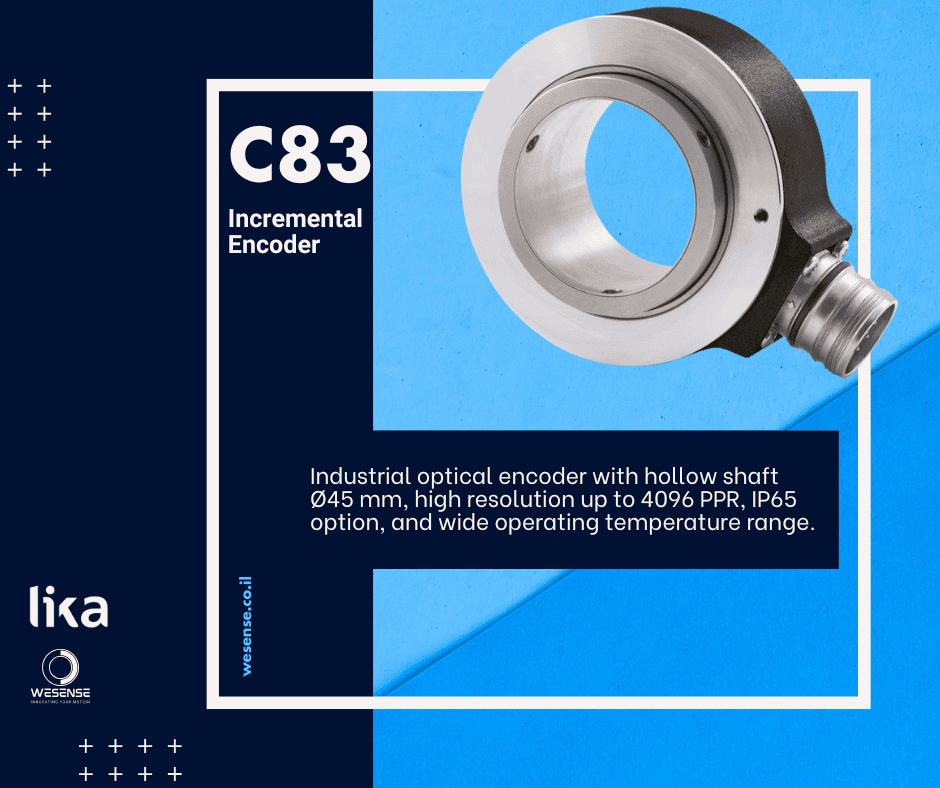
In encoder applications, for example, shaft misalignment or mechanical runout can affect measurement performance. In motor and gearbox assemblies, mounting constraints and coupling arrangements can influence the behavior of the complete mechanism.
Mechanical compatibility also involves considering the surrounding components. A part that fits in isolation may create interference, complicate maintenance, or restrict movement once the assembly is complete.
Questions to consider:
Do the mounting dimensions and mechanical interfaces match?
Are shaft alignment and coupling tolerances acceptable?
Is there sufficient space for installation, wiring, and maintenance?
Could the mechanical design introduce vibration, runout, or unwanted loads?
Reviewing these details before approval can help prevent costly modifications during assembly or commissioning.
3. Will the component communicate correctly with the rest of the system?
Electrical and communication compatibility is another essential consideration.
Motion-control systems often combine components from different manufacturers. An encoder may connect to a drive, which communicates with a controller responsible for coordinating the machine’s movements. Every connection must meet the relevant interface and configuration requirements.
A connector that fits does not necessarily indicate electrical compatibility. Likewise, two devices supporting the same communication protocol may still require specific configuration, timing, or implementation considerations.
Engineers should review power requirements, signal levels, output interfaces, communication protocols, wiring, and controller support before approving a component.
Questions to consider:
Does the drive or controller support the component’s output interface?
Are voltage, current, and signal requirements compatible?
Are the required communication protocols supported?
Are cabling, timing, and configuration requirements understood?
Checking these details early can reduce integration delays and help avoid unexpected compatibility issues during system startup.
4. Can the component handle the actual operating environment?
A component’s rated operating conditions provide an important starting point, but the application’s environment must also be considered.
Industrial machinery may experience vibration, shock, temperature fluctuations, dust, moisture, or electromagnetic interference. Specialized equipment can introduce additional environmental and operational demands.
A component suitable for a controlled laboratory environment may require a different specification when installed in a machine operating continuously in a factory or exposed to demanding external conditions.
It is also important to consider the combined effect of operating conditions. Temperature, vibration, mounting, and electrical noise can interact in ways that affect overall system performance.
Questions to consider:
What temperature range will the component experience?
Is the component suitable for the expected vibration and shock?
Are protection ratings appropriate for dust or moisture exposure?
Could electromagnetic interference affect signals or communication?
Does the application require specific testing, qualification, or certification?
Evaluating environmental suitability helps engineers select components that match the actual application rather than an idealized operating scenario.
5. Is it the right choice for the long term?
Component approval should consider more than immediate performance and purchase price.
Availability, product lifecycle, replacement options, technical documentation, and supplier support can all affect the long-term viability of a design.
A component that performs well today may become difficult to source later. Replacing it could require mechanical changes, electrical redesign, software modifications, or renewed validation.
These considerations are particularly important for OEMs developing equipment that will remain in production or service for many years.
Questions to consider:
Is the component expected to remain available throughout the product lifecycle?
Are alternative or replacement products available?
Would a future replacement require redesign or requalification?
Is the necessary technical documentation and support available?
Does the sourcing strategy account for lead times and supply risks?
Considering these factors during initial selection can help reduce future disruption and make maintenance and product support more manageable.
Beyond the datasheet: Evaluating the complete application
These five questions provide a practical framework for evaluating motion-control components. However, the answers must be considered together.
A component may offer the required performance but be mechanically unsuitable. It may fit perfectly but use an incompatible communication interface. It may meet every technical requirement but introduce long-term sourcing concerns.
Successful component selection requires understanding how performance, mechanical design, electrical compatibility, environmental conditions, and lifecycle considerations interact.
Where appropriate, engineers should also validate the selected components within the integrated system under representative operating conditions. Individual component specifications are important, but system-level testing helps confirm whether the complete design achieves its intended performance.
How Wesense Motion supports component selection
At Wesense Motion, we work with engineers and OEMs to identify motion-control components that suit their applications and technical requirements.
Our Engineer-to-Engineer approach focuses on understanding the challenge before recommending a product. By working with specialized technology partners, we help customers evaluate available options across encoders, motors, drives, and related motion-control solutions.
Whether you’re developing a new machine, updating an existing design, or addressing a challenging integration requirement, asking the right questions is an important first step.
Need help identifying the right motion-control component for your application? Contact Wesense Motion to discuss your requirements.