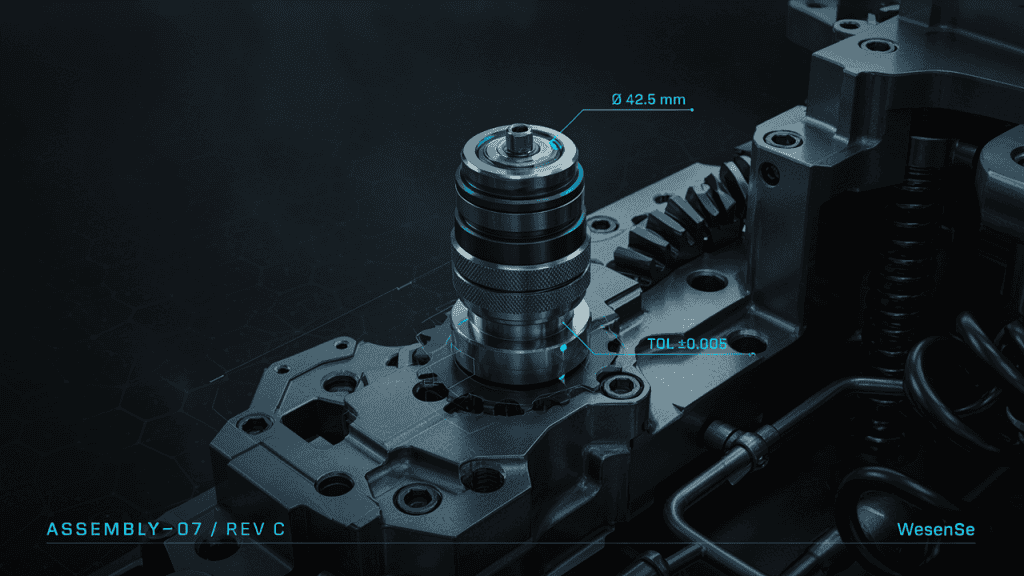
Why successful component selection requires more than checking specifications
Selecting a component for a motion-control system often begins with a datasheet. Engineers review dimensions, electrical interfaces, accuracy, resolution, operating temperature, and other performance specifications to determine whether a product meets the application’s requirements.
On paper, everything may look right.
Yet, once the component is installed and the system begins operating, unexpected problems can emerge. Positioning errors, communication issues, unstable movement, or inconsistent performance can affect the entire machine.
How can a component that meets its specifications fail to deliver the expected results?
The answer lies in the difference between component-level performance and system-level performance.
A datasheet describes a component’s capabilities under defined conditions. Real-world performance depends on how that component interacts with the mechanical design, electronics, control architecture, operating environment, and other elements of the system.
Understanding this distinction is essential when selecting motion-control components for demanding applications.
1. Environmental conditions can change performance
Datasheets typically specify an operating temperature range and other environmental limits. However, operating within those limits does not automatically guarantee identical performance in every environment.
Temperature variations can affect mechanical dimensions, sensor characteristics, and electronic behavior. Vibration and shock can influence mechanical stability and connections. Electromagnetic interference can disrupt signals or communication in sensitive applications.
These factors are particularly relevant in industrial automation, medical equipment, semiconductor machinery, and defense systems, where components may operate under demanding or highly variable conditions.
What engineers should consider: Evaluate the actual operating environment, including temperature fluctuations, vibration, electrical noise, and exposure to contaminants. Where necessary, validate performance under representative conditions rather than relying exclusively on nominal specifications.
2. Mechanical integration matters as much as component specifications
A component may meet its dimensional and performance requirements but still encounter problems when installed in a complete assembly.
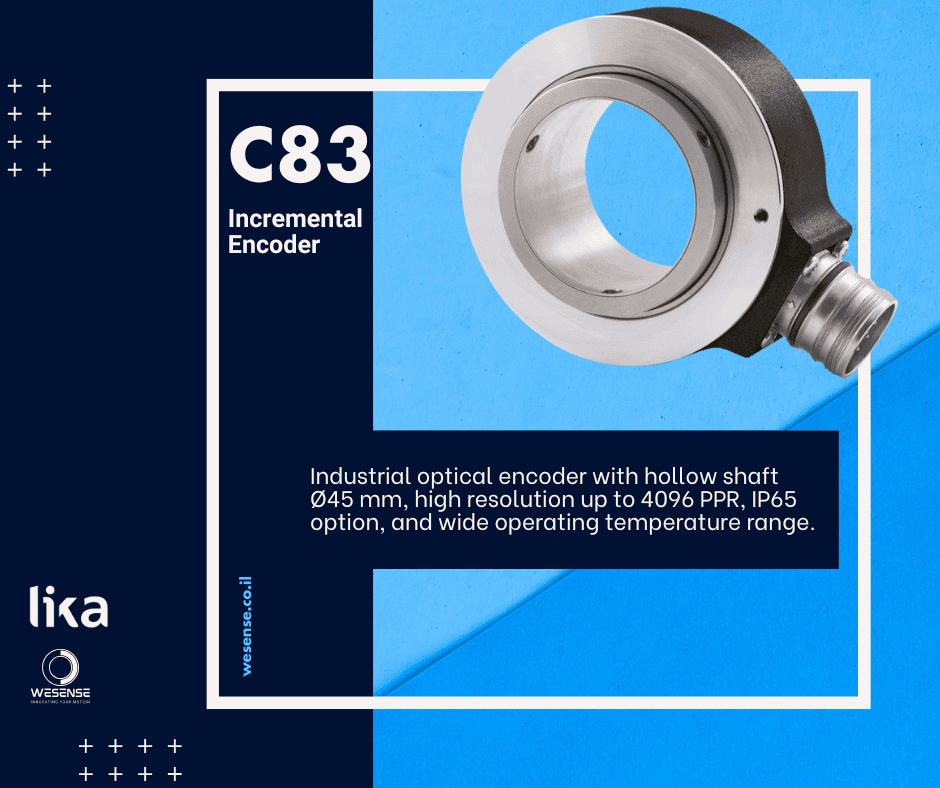
Consider an encoder used to measure the position of a rotating shaft. The encoder itself may provide the required resolution and accuracy. However, shaft misalignment, mounting tolerances, mechanical runout, or an unsuitable coupling can introduce errors into the overall measurement.
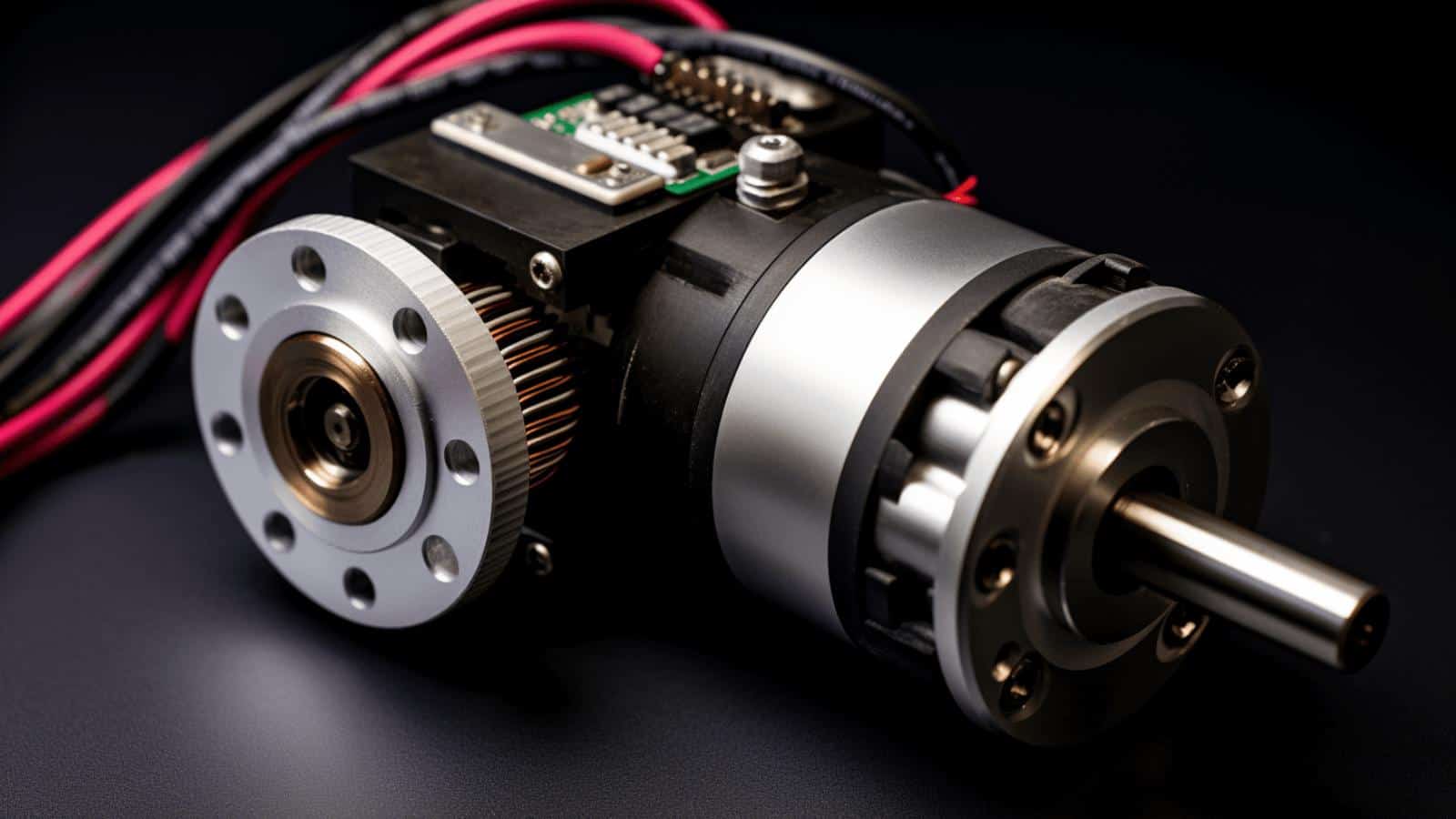
Similar challenges can occur with motors, gearboxes, and other motion-control components. Mechanical interfaces must work together as a system, not simply fit together physically.
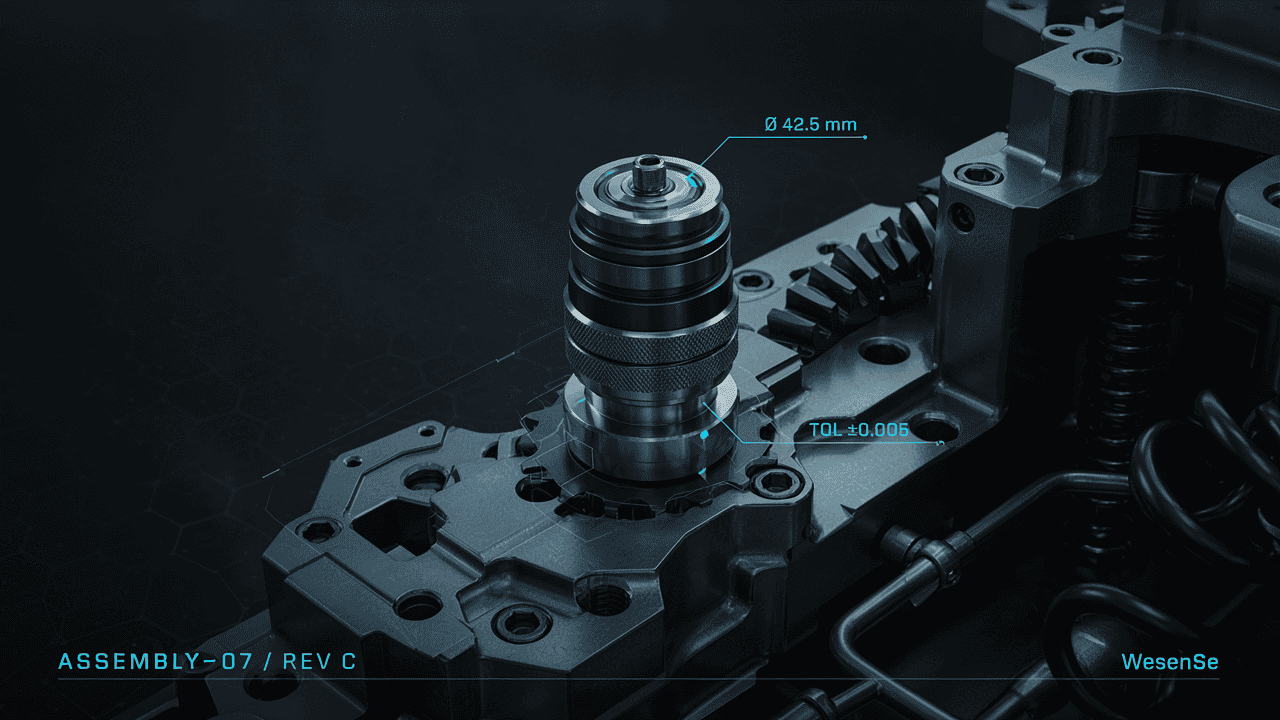
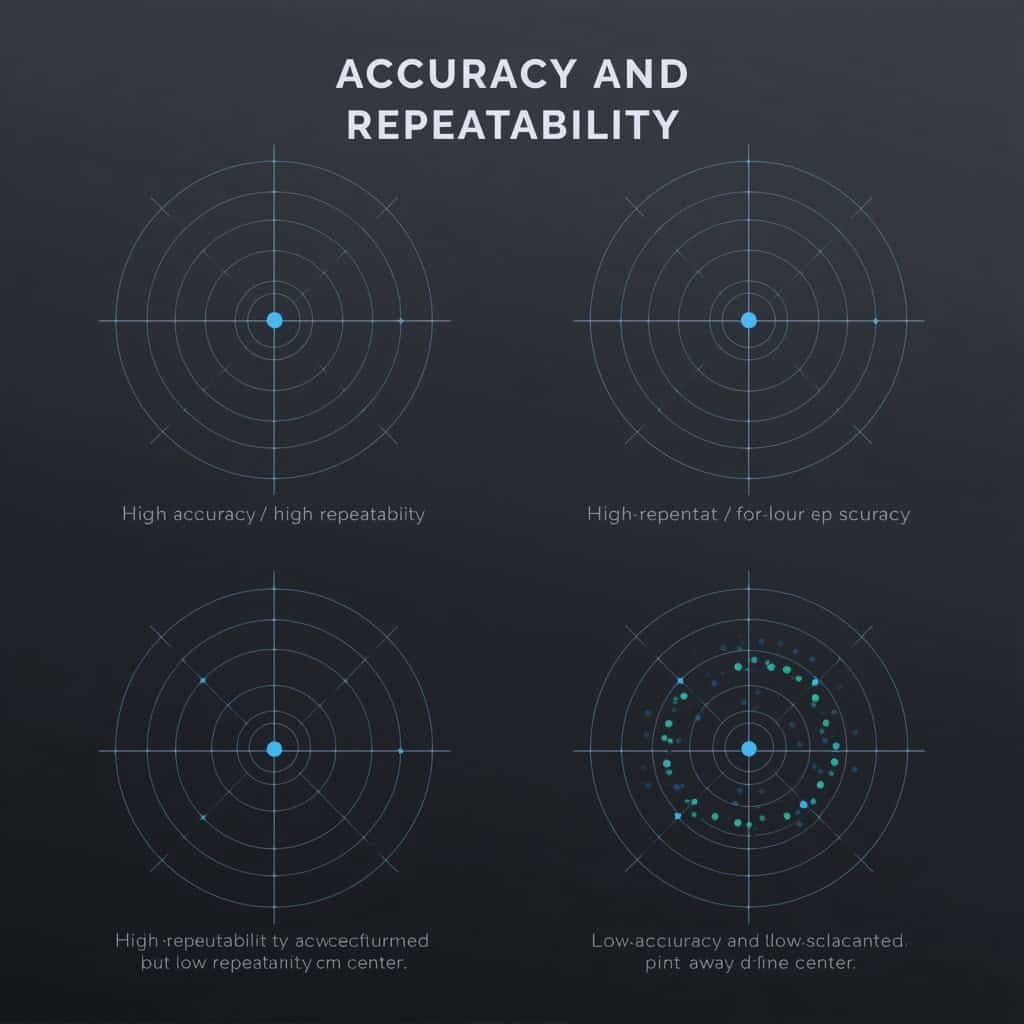
In precision machinery, even small mechanical inconsistencies can affect positioning, repeatability, vibration, and overall performance.
What engineers should consider: Review mounting arrangements, alignment requirements, shaft and coupling tolerances, available space, and the mechanical behavior of the complete assembly. The installation method can be just as important as the component selected.
3. Electrical and communication compatibility goes beyond connectors
Two components may have compatible-looking connectors but still be unsuitable for direct integration.
Electrical specifications, signal levels, supply voltage, grounding, cable requirements, communication protocols, and timing must all be considered. In motion-control applications, feedback devices, drives, and controllers must exchange information correctly and consistently.
For example, selecting an encoder with the required resolution is only part of the process. The engineer must also verify that the selected drive or controller supports its output interface and communication protocol.
Even when two devices use the same protocol, configuration, timing, and implementation details may affect integration.
What engineers should consider: Confirm compatibility across the entire signal chain, from the feedback device to the controller. Check interface requirements, supported protocols, timing, wiring, configuration, and relevant manufacturer documentation before finalizing component selection.
4. Dynamic operating conditions reveal what static specifications cannot
A component’s performance during a static test may differ from its behavior during continuous operation or rapid movement.
Motion-control systems frequently involve acceleration, deceleration, changing loads, rapid direction changes, and repeated operating cycles. These conditions can reveal limitations that are not apparent when evaluating individual components in isolation.
For instance, a motor may meet the required speed and torque specifications under certain conditions but struggle to maintain the desired performance when combined with a particular load and transmission mechanism.
Likewise, an encoder’s resolution alone does not guarantee the required dynamic measurement performance. Factors such as accuracy, signal quality, update rates, and system response also matter.
What engineers should consider: Evaluate the complete motion profile, including load, speed, acceleration, duty cycle, and required response time. Confirm that the motor, feedback device, drive, controller, and mechanical system can meet the application’s requirements together.
5. Individual component tests cannot replace system-level validation
Testing individual components is essential, but it answers a different question from testing the complete machine.
Component testing determines whether a product meets its specified requirements under defined conditions. System-level validation evaluates whether the integrated design achieves the intended performance under realistic operating conditions.
A system may introduce interactions that are not present during individual component tests. Mechanical resonances, electrical noise, communication delays, control-loop settings, and interactions between moving elements can all influence the final result.
This is why successful integration requires more than confirming that each component meets its individual specifications.
What engineers should consider: Define system-level acceptance criteria early in the design process. Test the integrated system under representative operating conditions and verify the performance that matters to the application, including positioning, repeatability, stability, response, and reliability.
A system-level approach to component selection
Reducing integration risk begins before a component is ordered.
Engineers should consider the complete application when evaluating potential solutions. This means looking beyond headline specifications and asking how each component will function within the intended design.
A practical evaluation should include:
-
Application requirements: Define the required performance, operating conditions, and acceptance criteria.
-
Mechanical integration: Confirm dimensions, mounting arrangements, alignment, and interfaces.
-
Electrical compatibility: Verify supply requirements, signals, communication protocols, and controller compatibility.
-
Dynamic performance: Evaluate loads, speed, acceleration, duty cycles, and system response.
-
Environmental suitability: Assess temperature, vibration, shock, and other relevant conditions.
-
Validation and lifecycle: Plan system-level testing and consider availability, support, and long-term component suitability.
Addressing these factors early can help identify potential problems before they become costly redesigns, commissioning delays, or unexpected performance issues.
The value of engineering support
Choosing the right motion-control component is not simply a matter of finding a product that matches a list of specifications. It requires understanding the application, identifying potential integration challenges, and evaluating how different components will work together.
This is particularly important in specialized machinery, where space constraints, demanding operating environments, unusual interfaces, or specific performance requirements can make component selection more complex.
At Wesense Motion, we help engineers identify motion-control components suited to their applications. Through our Engineer-to-Engineer approach and collaboration with specialized technology partners, we support customers in evaluating their requirements and navigating component selection.
Our focus goes beyond matching a product to a specification. It starts with understanding the engineering challenge the component needs to solve.
Conclusion: Look beyond the datasheet
A component can meet every specification and still fail to deliver the expected result when integrated into a machine. Environmental conditions, mechanical interfaces, electrical compatibility, dynamic behavior, and interactions between components all influence system performance.
The most effective approach is to evaluate components in the context of the complete application and validate the integrated system under realistic operating conditions.
Because meeting a specification is only the beginning. The real objective is building a system that performs as intended.
Need help selecting motion-control components for your application? Contact Wesense Motion to discuss your technical requirements.